Novo Nordisk Faces Leadership Changes Amid Confidence Challenges
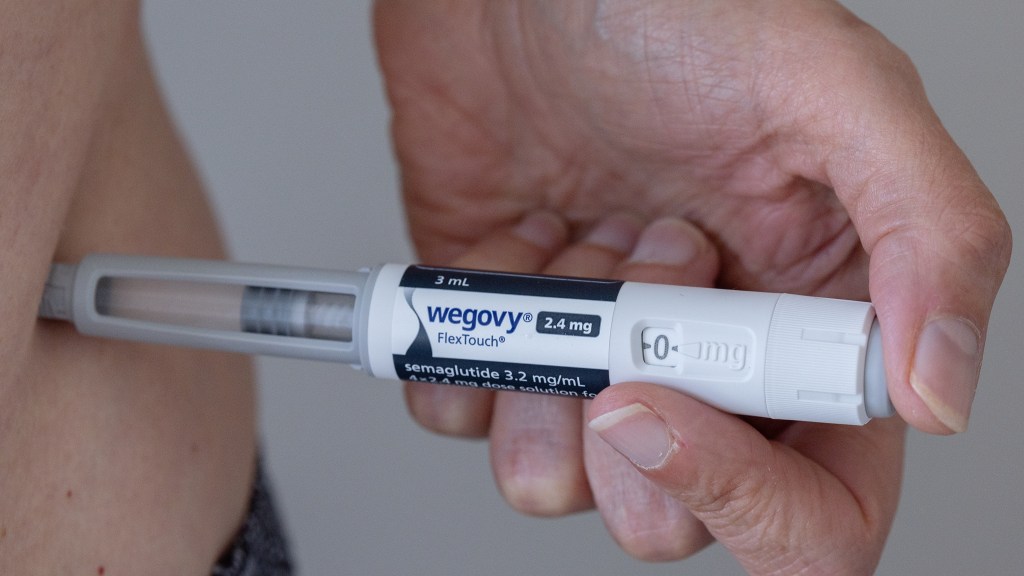
Next week in Chicago, the Danish pharmaceutical company Novo Nordisk will present new data at the American Diabetes Association congress, aiming to restore investor confidence following a challenging period.
Nova will showcase nearly 30 abstracts, including research on the effects of a higher dose of their weight loss medication Wegovy, alongside a presentation focused on their metabolic and cardiovascular health initiatives.
This significant industry event follows the unexpected dismissal of Novo’s chief executive in May and recent stake acquisitions by activist investor Parvus Asset Management, amidst a steep decline in the company’s stock value, which has fallen nearly 50% since hitting its peak last summer.
Research and development delays, along with supply chain issues, have compromised Novo’s position in the burgeoning weight loss market, which analysts predict could reach $150 billion by the decade’s end.
Lars Fruergaard Jorgensen, who remains in his role pending the appointment of a new CEO, previously led the company’s remarkable transformation into Europe’s most valuable publicly traded firm, driven by the resurgence of semaglutide, marketed under the names Ozempic for diabetes and Wegovy for obesity.

Jorgensen’s exit, after eight years as CEO, surprised both shareholders and staff, particularly given that Novo has only had four leaders throughout its 102-year history.
Novo’s chairman, Helge Lund, explained that the expedited leadership transition was due to “recent market challenges” influencing share performance since early 2024. Kurt Jacobsen, a business history professor at Copenhagen Business School, remarked that the situation is “quite extraordinary.”
Novo has traditionally appointed internal candidates for leadership roles, but while Lund, a former BP chairman, has indicated that external candidates are being considered, an internal promotion is likely. The ongoing selection process is expected to conclude soon.
In response to the changes, Danske Bank advised Lund that patience is typically maintained on a successful path, indicating that investors sensed something went awry.
Lund confirmed the company’s commitment to focusing on diabetes and obesity under the new leadership, a stance shared in their official communications.
The Novo Nordisk Foundation, a significant philanthropic entity that holds control over the company, is also seeking to enhance its representation on the board, leading to Lars Rebien Sorensen, Jorgensen’s predecessor, joining the board as an observer.
As the foundation owns approximately 28% of the company’s shares and 77% of voting rights through Novo Holdings, it minimizes the potential influence of Parvus in corporate decisions. As one insider noted, it makes little strategic sense for Parvus to exert strong control.
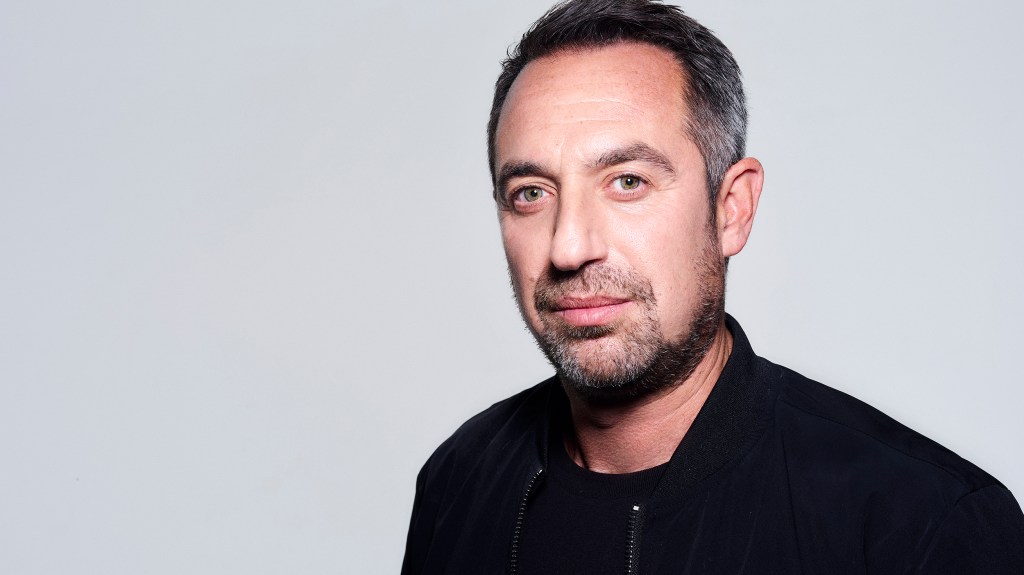
Parvus, established in 2004 by Edoardo Mercadante, a former Merrill Lynch fund manager, as reported by the Financial Times, is seeking to sway the forthcoming CEO appointment and has previously been involved in high-profile corporate contests.
The extent of Parvus’s shareholding remains unclear, although Danish regulations require disclosure of holdings exceeding 5%.
Despite the recent downturn in stock prices, many Danish investors have retained their shares in Novo, believing the company will rebound. Jacobsen noted the challenges Novo has faced adapting to rapid growth since it was a much smaller company five years ago.
The rising popularity of weight-loss treatments, which have attracted attention from celebrities like Elon Musk and Oprah Winfrey, has resulted in overwhelming demand for Wegovy, surpassing its supply.
This demand has encouraged competition from specialized pharmacies creating less expensive versions of semaglutide, as well as telehealth providers entering the market.
In May, Novo downgraded its revenue forecasts for the first time since launching Wegovy, though it anticipates a recovery as the U.S. Food and Drug Administration has since mandated pharmacies to stop selling compounded alternatives now that supply meets the demand.

Last year, Novo also invested in its supply chain, purchasing three factories for $11 billion from the U.S. contract manufacturer Catalent.
However, shares in Novo faced a severe drop, marked by a 27% decrease late last year, followed by further declines in March due to disappointed expectations regarding the late-stage trial results for Cagrisema, which combines semaglutide with another molecule to help manage hunger and blood sugar levels.
The combination of supply shortages and setbacks in developing new treatments has raised concerns about Novo’s ability to maintain its competitive edge against Eli Lilly, which is behind the leading drug in this field, tirzepatide.
The new CEO will be tasked with shifting focus from resolving supply issues to reclaiming market dominance from Lilly and other emerging competitors.
An industry expert remarked that the obesity treatment market presents unique challenges, particularly in regards to out-of-pocket costs and insurance coverage.
Rajesh Kumar of HSBC highlighted that Novo’s valuation may reflect doubts about its ability to recover market share, while the leadership change could increase the chances for a strategic overhaul.
As both companies prepare for their data presentations at the upcoming congress in Chicago, analysts believe this may reignite investor interest.

Post Comment